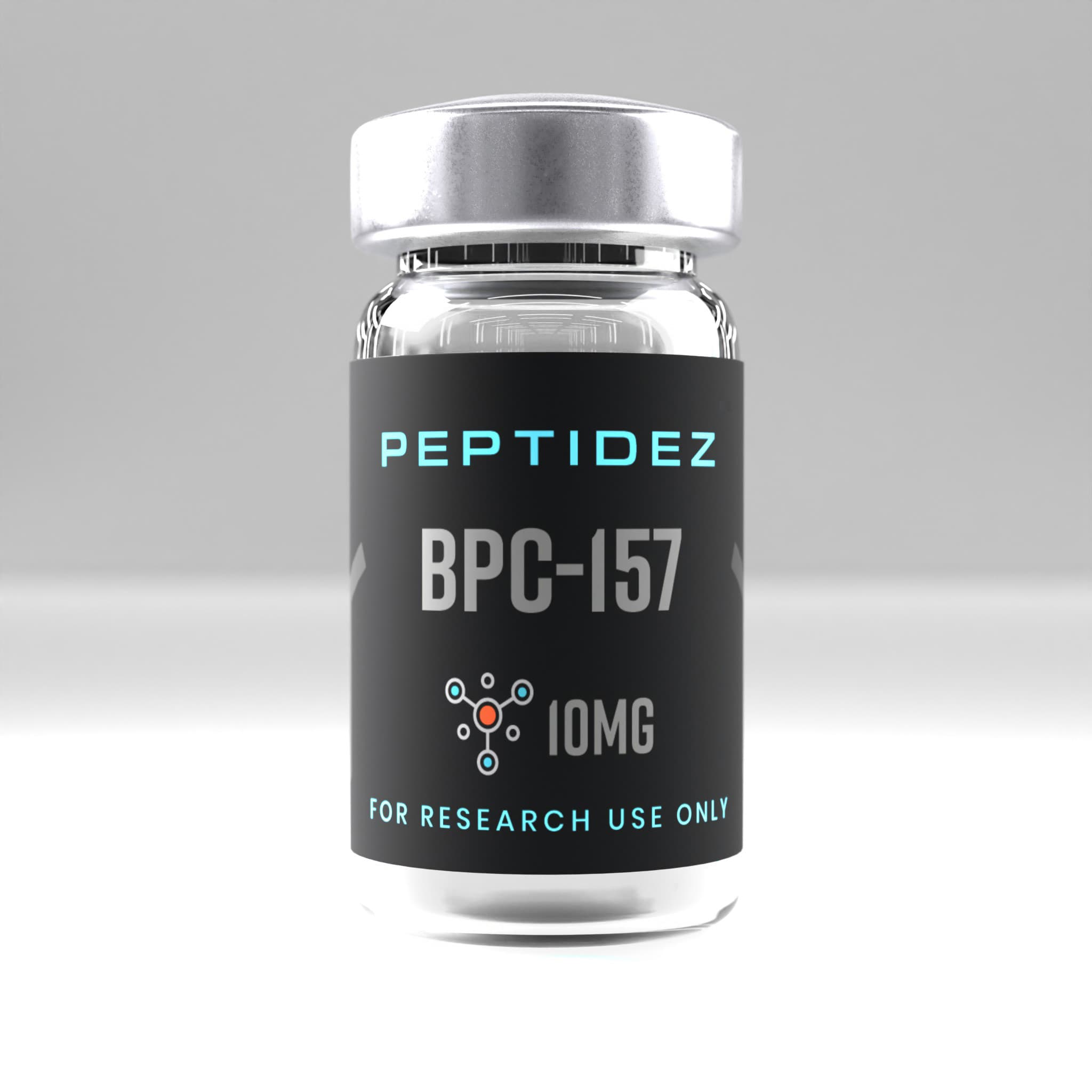
 99.2% Pure
Healing & RecoveryView on PubChem
BPC-157 10mg
A 15-amino acid peptide fragment derived from human gastric juice protein, BPC-157 has become one of the most extensively studied compounds in tissue repair and regenerative research applications.
Molecular Weight
1419.54 g/mol
Sequence
GEPPPGKPADDAGLV
$59.99
1
Lab Tested
99%+ Purity
Fast Shipping
Molecular Formula
C62H98N16O22
Molecular Weight
1419.54 g/mol
Purity
99.2%
CAS Number
137525-51-0
Half Life
4-6 hours
Storage
-20°C
Administration
subcutaneous
Research Status
preclinical
Description
BPC-157 (Body Protection Compound-157) is a synthetic pentadecapeptide consisting of 15 amino acids, derived from a protective protein found in human gastric juice. This stable peptide has demonstrated remarkable resilience in laboratory conditions, maintaining structural integrity across a wide pH range—a property that has made it particularly valuable for in vitro and in vivo research protocols.
Published studies indicate that BPC-157 may influence multiple biological pathways relevant to tissue regeneration research. Laboratory investigations have explored its potential interactions with nitric oxide systems, growth factor expression, and angiogenic processes. Researchers have documented its use in studies examining connective tissue, muscle fiber recovery, and gastrointestinal integrity in animal models.
Research Applications
Tissue repair mechanisms
Wound healing pathways
Musculoskeletal research
Gastrointestinal studies
Tendon and ligament investigations
This product is intended solely for laboratory research and scientific investigation.
Research
BPC-157 (Body Protection Compound) is extensively studied for:
- Accelerated wound healing and tissue repair
- Tendon, ligament, and muscle healing
- Gastrointestinal protection and healing
- Neuroprotective effects
- Anti-inflammatory properties
- Angiogenesis promotion
- Bone and joint healing
Mechanism
BPC-157 works through multiple pathways:
1. Upregulation of growth factor receptors
2. Increased VEGF expression promoting angiogenesis
3. FAK-paxillin pathway activation
4. Nitric oxide system modulation
5. Serotonin system interaction
6. Dopamine system protection
7. Prostaglandin system regulation
Benefits
Accelerated healing of wounds, tendons, ligaments, and muscles
Gastrointestinal tract protection and repair
Reduced inflammation
Enhanced angiogenesis (new blood vessel formation)
Neuroprotective effects
Joint and bone healing support
Organ protection (liver, heart, brain)
Pain reduction
Dosage
Research dosages typically range:
- Standard dose: 250-500mcg daily
- Loading dose: 500-1000mcg daily for 2-4 weeks
- Maintenance: 250mcg daily or every other day
- Administration: Subcutaneous injection near injury site or abdomen
- Cycle length: 4-12 weeks typical
Safety
Generally well-tolerated with minimal side effects:
- Mild fatigue
- Temporary nausea (rare)
- Slight dizziness
- Injection site irritation
- No significant systemic side effects reported in research
